Navigating Neurological and Oncological Care: A Patient’s Guide to Specialized Medical Services
When it comes to complex medical conditions affecting the brain, nervous system, or involving cancer, patients and their families face some of the most challenging decisions of their lives. Choosing the right specialist, understanding the scope of available treatments, and knowing how to navigate a healthcare system that spans multiple disciplines are all critical steps toward achieving the best possible outcomes. Whether you are dealing with a neurological disorder, a cancer diagnosis, or both, understanding how these specialties intersect and where to find expert care is essential.
The Growing Complexity of Neurological Disorders
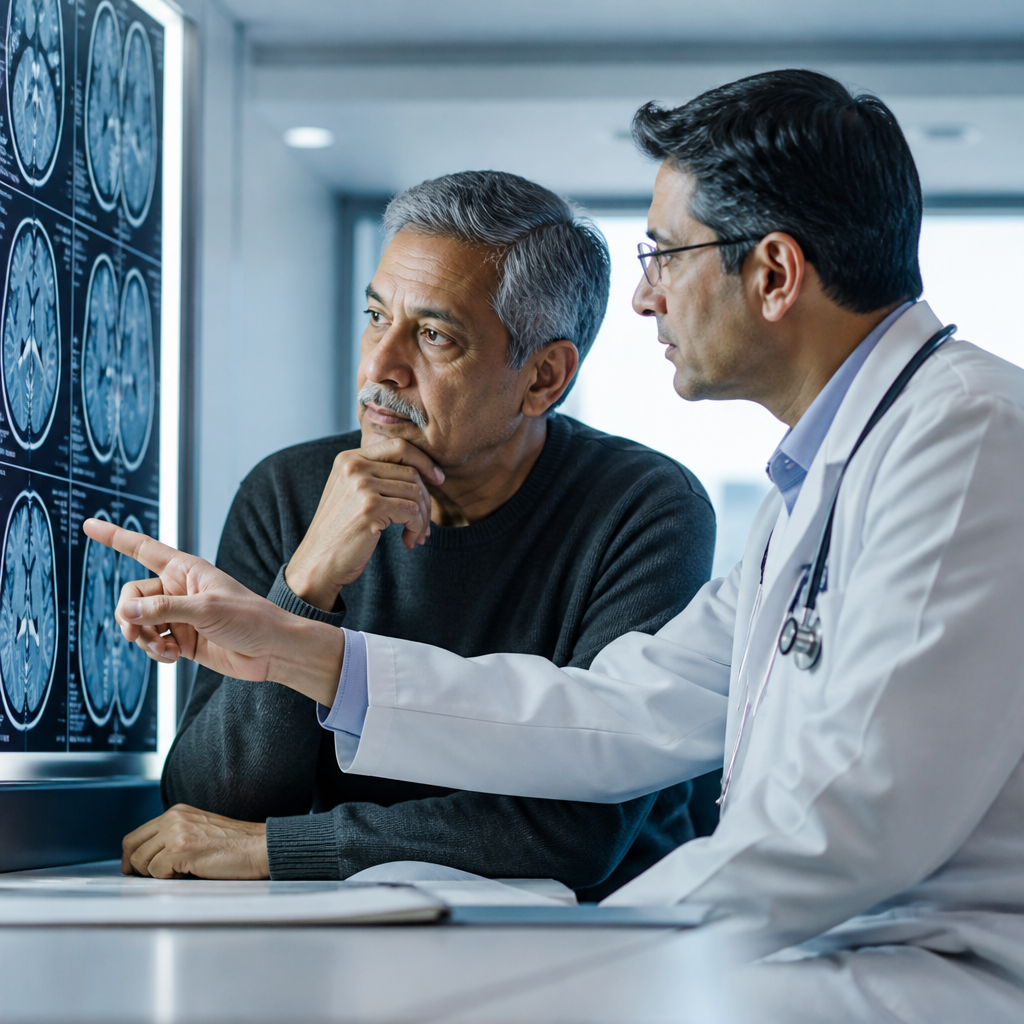
Neurological conditions encompass a vast spectrum of disorders, ranging from common ailments like migraines and peripheral neuropathy to life-altering conditions such as Parkinson’s disease, multiple sclerosis, epilepsy, and stroke. The brain and nervous system are extraordinarily intricate, and diagnosing conditions that affect them requires not only advanced imaging technology but also the clinical expertise of highly trained specialists who can interpret subtle signs and symptoms that general practitioners may overlook.
In recent years, the demand for neurological services has grown significantly across the Middle East, driven by an aging population, increased awareness of neurological symptoms, and improvements in diagnostic capabilities. Patients in the region are no longer willing to travel abroad for specialized care when world-class facilities are available closer to home. This shift has prompted leading medical institutions to invest heavily in neurology departments staffed by internationally trained physicians.
Early Diagnosis: The Cornerstone of Neurological Treatment
One of the most important factors in treating neurological conditions effectively is early and accurate diagnosis. Conditions like stroke, for example, require immediate intervention — often within hours — to minimize permanent damage. Similarly, early detection of neurodegenerative diseases allows patients and their care teams to implement management strategies that can significantly slow progression and preserve quality of life. Patients experiencing persistent headaches, unexplained memory loss, tremors, numbness, or sudden changes in vision or speech should seek evaluation from a qualified neurologist without delay.
The Intersection of Neurology and Oncology
Neurology and oncology are more closely connected than many patients realize. Brain tumors, both primary and metastatic, represent a significant subset of neurological conditions that require a multidisciplinary approach involving neurologists, neurosurgeons, radiation oncologists, and medical oncologists working in close collaboration. Neuro-oncology, as this subspecialty is known, demands a level of coordination and expertise that only the most advanced medical centers can provide.
Beyond brain tumors, cancer treatments themselves can cause neurological complications. Chemotherapy-induced peripheral neuropathy, cognitive changes sometimes referred to as “chemo brain,” and radiation-related neurological effects are all conditions that require neurological assessment and management. Understanding how advanced oncology care integrates with neurological support is vital for patients undergoing cancer treatment, as addressing these side effects can dramatically improve their overall experience and recovery.
Multidisciplinary Teams: Why Collaboration Matters
The most effective treatment outcomes in both neurology and oncology are achieved when specialists work together rather than in isolation. Tumor boards, for example, bring together radiologists, pathologists, surgeons, and medical specialists to review complex cases and agree on the most appropriate treatment plan. This collaborative model ensures that no single perspective dominates and that patients benefit from the collective knowledge of multiple experts. Patients should actively seek out medical centers that embrace this multidisciplinary philosophy, as it is a strong indicator of institutional quality and patient-centered care.
Accuracy in Medical Records: A Critical Safety Component
One aspect of specialized medical care that often goes unnoticed by patients but has profound implications for their safety is the accuracy of medical documentation. In settings where complex procedures are performed — whether neurological interventions or oncological surgeries — the integrity of medical records is paramount. Errors in documentation can lead to misdiagnosis, incorrect medication dosing, or procedural complications. Healthcare providers and patients alike should be aware of the importance of avoiding medical record errors in surgical and clinical settings, as these safeguards are foundational to patient safety across all specialties.
Patients can play an active role in this process by requesting copies of their medical records, reviewing them for accuracy, and ensuring that all treating physicians have access to complete and up-to-date information. In the context of neurological and oncological care, where treatment decisions are often made based on a patient’s full medical history, the stakes of documentation errors are particularly high.
Cleveland Clinic Abu Dhabi: A Center of Neurological Excellence
For patients in the UAE and the broader Middle East region seeking expert neurological evaluation and treatment, Cleveland Clinic Abu Dhabi stands as one of the most respected destinations for specialized care. Consulting a neurologist abu dhabi at this institution means accessing a team of internationally trained specialists who bring the same standards of care as the renowned Cleveland Clinic in the United States. The Neurological Institute at Cleveland Clinic Abu Dhabi offers comprehensive services covering the full range of neurological conditions, from epilepsy and movement disorders to cerebrovascular disease and neuro-oncology.
What Sets Cleveland Clinic Abu Dhabi Apart
The Neurological Institute at Cleveland Clinic Abu Dhabi is distinguished by its commitment to evidence-based medicine, advanced diagnostic technology, and a patient-first philosophy. The institute employs specialists in neurology, neurosurgery, neurophysiology, and neuroradiology, all working within an integrated care model. Patients benefit from access to state-of-the-art imaging, intraoperative monitoring, and minimally invasive surgical techniques that reduce recovery times and improve outcomes. The institute also maintains strong connections with the global Cleveland Clinic network, enabling complex cases to be reviewed by international experts when needed.
Beyond clinical excellence, the institute prioritizes patient education and communication. Patients and their families are kept informed at every stage of the diagnostic and treatment process, empowering them to make confident, well-informed decisions about their care. This transparency and respect for patient autonomy are hallmarks of the Cleveland Clinic model and are deeply embedded in the Abu Dhabi institution’s culture.
Making Informed Decisions About Specialized Care
Whether you are seeking a neurological evaluation for the first time or navigating a complex diagnosis that spans multiple specialties, the quality of the institution and the expertise of the specialists you choose will have a lasting impact on your health journey. Patients should look for centers that offer comprehensive diagnostic capabilities, multidisciplinary collaboration, transparent communication, and a proven track record of clinical outcomes.
It is also worth considering the logistical aspects of care — proximity to home, language support, insurance compatibility, and the availability of follow-up services. In a region as diverse as the UAE, where patients come from dozens of nationalities and cultural backgrounds, leading medical institutions have invested in multilingual support teams and culturally sensitive care models to ensure that every patient feels understood and respected.
Conclusion
Neurological and oncological conditions demand the highest levels of medical expertise, technological capability, and interdisciplinary collaboration. Patients who take the time to understand their options, seek out qualified specialists, and engage actively in their own care are far better positioned to achieve positive outcomes. From ensuring the accuracy of medical records to choosing a center with a genuine commitment to clinical excellence, every decision matters. In Abu Dhabi and across the region, world-class neurological care is within reach — and knowing where to find it is the first step toward better health.