The Role of Electrical Panels in Home Heating and Cooling Systems
Heating and cooling equipment represents a significant part of electrical demand in many residential properties.
Air conditioners, heat pumps, electric furnaces, and other climate-control systems depend on properly designed electrical circuits.
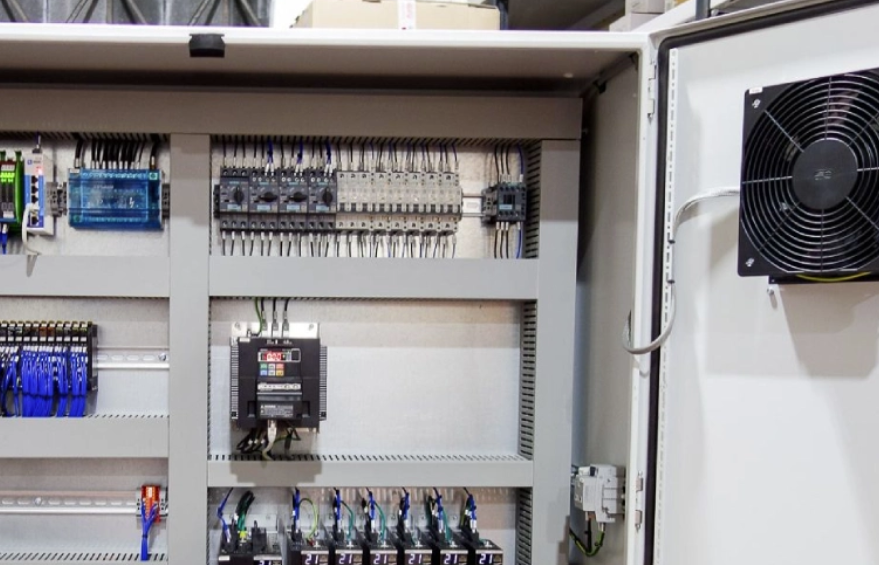
The electrical panel distributes electricity to this equipment and provides essential overcurrent protection.
How Heating and Cooling Equipment Uses Electricity
Different climate-control technologies have different electrical requirements.
Air conditioning systems typically use electricity to operate compressors, fans, and controls.
Heat pumps provide heating and cooling through electrically powered refrigeration equipment.
Electric resistance heating can also create substantial electrical demand.
Understanding these differences is important during system installation and replacement.
Dedicated Electrical Circuits
Many heating and cooling appliances require dedicated electrical circuits.
Manufacturers specify electrical characteristics that must be considered during installation.
These may include minimum circuit ampacity and maximum overcurrent protection ratings.
Why Dedicated Circuits Matter
Properly designed circuits provide suitable electrical supplies for major equipment.
They also help prevent unrelated appliances from interfering with circuit loading.
Circuit design must follow both the manufacturer’s instructions and applicable electrical codes.
Starting Current and Equipment Operation
Certain motors and compressors draw higher current during startup than during normal operation.
Electrical protection and conductor sizing must account for the equipment’s characteristics.
Unusual breaker trips during startup may indicate installation problems, equipment defects, or other electrical issues.
A qualified technician should investigate rather than replacing breakers with higher-rated devices without justification.
Heat Pump Electrification
Some homeowners replace fuel-burning heating systems with electric heat pumps.
This transition may change household electrical demand.
The resulting requirements depend on the selected heat pump, supplementary heating equipment, and existing electrical loads.
Not every heat pump installation requires larger electrical service equipment.
Proper calculations are necessary to determine the actual requirements.
Evaluating Panel Capacity for HVAC Equipment
Before installing major climate-control equipment, an electrician may review the distribution system.
The assessment can include panel capacity, circuit spaces, existing loads, and equipment condition.
When existing electrical infrastructure is unsuitable for a planned heating or cooling installation, electrical panel replacement Chicago may be considered alongside other corrective options.
Appropriate decisions depend on professional load calculations and the requirements of the selected equipment.
Electrical Reliability and Preventive Maintenance
Heating and cooling systems often operate during periods of extreme outdoor temperatures.
Electrical interruptions can therefore affect indoor comfort and, in some circumstances, occupant safety.
Regular equipment servicing and electrical inspections help identify problems that could interrupt operation.
Damaged wiring, loose connections, and repeated breaker trips require professional attention.
Energy Efficiency and Electrical Planning
Energy-efficient climate-control systems can reduce electricity consumption under suitable conditions.
However, energy efficiency does not automatically determine circuit or service sizing.
Electrical requirements must reflect the equipment’s specified operating characteristics.
Conclusion
Electrical panels support the operation of residential heating and cooling systems by supplying protected electrical circuits.
Proper planning is particularly important when homeowners replace major appliances or switch to different heating technologies.
Professional electrical evaluation and correct circuit design help maintain dependable climate-control performance and household safety.