
Understanding the Parts of IV Set in Modern Healthcare
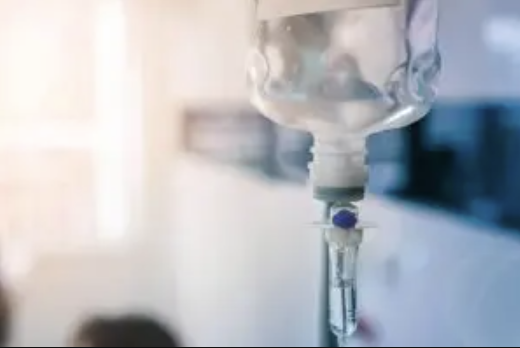
Intravenous therapy is a fundamental medical procedure that delivers fluids, medications, and nutrients directly into a patient’s bloodstream. Knowing the parts of iv set is essential for healthcare professionals to ensure effective, safe, and precise administration of treatments.
What Are the Parts of an IV Set?
An IV set consists of several components that work together to provide smooth and controlled delivery of fluids. Each part plays a vital role in maintaining patient safety and ensuring accurate therapy.
Key Components of an IV Set
- Drip Chamber: Visualizes fluid flow and prevents air from entering the bloodstream.
- Tubing: Connects the fluid source to the patient’s IV catheter.
- Roller Clamp: Controls the rate of infusion.
- Spike: Penetrates the fluid bag for access to the solution.
- Connector: Secures the tubing to the IV catheter.
- Filter: Optional component that removes microaggregates and particles from the fluid.
Healthcare providers can consult parts of iv set for more detailed information.
Types of IV Set Components
Tubing
Flexible tubing delivers fluids from the IV bag to the patient. Tubing length and diameter are selected based on infusion needs.
Drip Chambers
Drip chambers allow monitoring of fluid flow and help prevent air bubbles from entering the line.
Roller Clamps
Roller clamps adjust the infusion rate, ensuring precise fluid delivery.
Connectors and Adapters
Connectors link the tubing to the IV catheter and may include Luer lock or slip connectors.
Filters
Filters trap microaggregates and other debris to ensure safe infusion of fluids.
Applications of IV Set Parts
- Fluid Therapy: Hydration for dehydrated or ill patients.
- Medication Administration: Accurate delivery of drugs like antibiotics and pain medications.
- Blood Transfusion: Ensures safe transfusion with filtering if necessary.
- Parenteral Nutrition: Supplies nutrients for patients unable to eat normally.
- Emergency Care: Rapid infusion in critical situations.
Benefits of Knowing IV Set Parts
- Safety: Minimizes risk of contamination or infusion complications.
- Accuracy: Controls flow rate and dosage precisely.
- Efficiency: Quick setup and troubleshooting with clear understanding of each component.
- Versatility: Different parts accommodate various clinical requirements.
Proper Handling and Maintenance
- Inspect all IV set parts for damage before use.
- Follow aseptic techniques while connecting components.
- Monitor drip chamber and tubing for leaks or air bubbles.
- Replace disposable parts according to hospital protocols.
- Ensure secure connections to prevent fluid leakage or dislodgement.
Troubleshooting Common Issues
- Air Bubbles: Prime the tubing and check the drip chamber.
- Leaks: Confirm all connectors are secure.
- Flow Rate Problems: Adjust the roller clamp or replace blocked tubing.
- Contamination: Use sterile techniques and replace compromised parts immediately.
See also: Pilates Instructor: Transform Your Health and Fitness
FAQs About Parts of IV Set
1. What are the main parts of an IV set?
The main parts include drip chambers, tubing, roller clamps, spikes, connectors, and optional filters.
2. Why is it important to understand the parts of an IV set?
Understanding these parts ensures safe, accurate, and effective intravenous therapy.
3. How should IV set parts be maintained?
Parts should be inspected before use, connected aseptically, monitored during infusion, and replaced according to protocols.
Conclusion
Understanding the parts of iv set is crucial for safe and effective intravenous therapy. Proper knowledge allows healthcare professionals to administer fluids and medications accurately, minimize complications, and enhance patient care. For detailed guidance, healthcare professionals can consult parts of iv set resources.