What Makes X-Ray Power Systems Reliable In Critical Applications
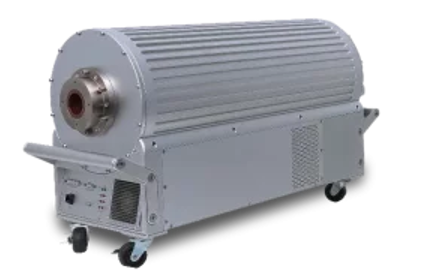
An X-ray system may look like a single machine from the outside, but its performance depends on several carefully coordinated components working together. At the center of that process is the electrical system that supplies and controls the energy needed to generate X-rays. When output is stable, imaging and inspection can remain consistent across demanding operating conditions. This is where high voltage X-ray generators become an important part of system design, supporting applications that range from industrial inspection to medical imaging, security screening, food quality control, electronics manufacturing, and analytical testing.
The Power Behind Consistent X-Ray Output
Generating useful X-rays requires controlled electrical energy. The generator supplies the high voltage needed by the X-ray tube, while associated controls help regulate operating conditions according to the requirements of the application.
Small changes in voltage or current can affect the characteristics of the X-ray output. For an inspection system, that can influence image consistency. In a medical environment, predictable output can contribute to repeatable imaging conditions. In an industrial setting, stable operation becomes particularly important when equipment is expected to perform repeated inspections over extended periods.
The power system therefore needs to do more than simply produce a high voltage. It needs to deliver that voltage in a controlled and dependable manner.
Why Stability Matters During Imaging
Image quality is closely connected with the consistency of X-ray production. When an X-ray source operates under controlled electrical conditions, imaging systems can work with more predictable exposure characteristics.
This matters in applications where images are examined for small differences, hidden defects, foreign materials, or structural changes. Industrial non-destructive testing, for example, may involve examining components without physically damaging them. Security scanners may need to reveal objects inside luggage or cargo. Medical imaging systems require controlled exposure conditions to create useful diagnostic images.
A dependable power architecture helps create a stable foundation for these different requirements.
Security Systems Demand Dependable Performance
Security inspection is one area where X-ray technology has become an important part of routine screening. Baggage and parcel inspection, cargo examination, people screening, and mobile inspection systems all require controlled X-ray output. In these applications, high voltage power supplies help provide the electrical conditions needed for consistent X-ray generation.
These systems may operate in environments where speed and continuity are important. A scanning system that produces inconsistent images can make inspection more difficult, while equipment that requires frequent intervention can affect workflow.
Compact X-ray sources and generator systems can therefore be designed with integration, cooling, reliability, and operational consistency in mind. Different security applications may also require different levels of penetration and imaging capability, making appropriate power selection an important engineering consideration.
Medical Imaging Requires Controlled Operation
Medical imaging presents its own set of requirements. Dental CBCT, bone densitometry, veterinary radiology, irradiation, and radiotherapy can all involve X-ray technology, but each application has different operating demands.
The electrical system must work within the specifications of the imaging equipment and support controlled X-ray production. Compact designs can be useful where equipment size is restricted, while reliable output is important for repeatable imaging.
The broader system also needs appropriate safety controls, thermal management, and integration with the equipment’s digital control architecture. This makes the selection of the generator an engineering decision rather than simply a purchasing decision.
See also: A Simple Guide to Understanding the Synthetic Risk and Reward Indicator
Electronics Manufacturing Finds Hidden Details
X-ray inspection is also useful when manufacturers need to examine or verify electronic components. One example is component counting, where X-ray systems can assist with inventory verification and automated manufacturing workflows.
This application demonstrates how X-ray technology can move beyond traditional imaging. When integrated into production systems, it can contribute to automated inspection and verification processes.
For these applications, compactness and compatibility with automated equipment can be especially valuable. The power system needs to operate reliably while fitting into a larger production architecture involving sensors, software, motion systems, and inspection equipment.
Analytical Systems Depend On Repeatability
Scientific and analytical applications can require X-ray output that remains stable enough for repeatable material analysis. X-ray spectrometry, for instance, uses X-rays to examine material characteristics and support qualitative or quantitative analysis. In these systems, high voltage X-ray generators can provide the controlled electrical output required for consistent X-ray production.
In such environments, consistency matters because researchers need results that can be compared across samples and measurements. Variations in the electrical conditions behind X-ray generation can therefore become an important consideration when designing the complete analytical instrument.
The generator is only one component, but its performance can influence the consistency of the overall X-ray source. Stable output, appropriate controls, and reliable integration can support the repeatability expected from analytical equipment.
Compact Design Can Simplify Integration
Space is often a major engineering constraint. OEMs may need to fit an X-ray source into a compact enclosure while leaving room for detectors, electronics, shielding, cooling, and control hardware.
Integrated designs can address some of these challenges by combining components into a more compact package. The IXS series, for example, combines a high-voltage power supply, X-ray tube, and control electronics into an integrated source. Such an approach can reduce the number of separate components that an OEM needs to accommodate within its equipment architecture.
Choosing The Right Power Architecture
Selecting an X-ray power system begins with understanding the intended application. Engineers should consider required voltage and current, tube characteristics, duty cycle, physical space, cooling method, control interfaces, environmental conditions, and integration requirements.
It is also useful to consider future serviceability and system expansion. A component that meets today’s requirements but leaves little room for configuration changes may create challenges later.
For OEMs, collaboration with an experienced manufacturer can help translate these requirements into an appropriate X-ray source or generator configuration. Customization can be particularly valuable when standard specifications do not align perfectly with the final equipment design.
Conclusion
X-ray technology is used across environments that look very different on the surface, yet many of them share the same underlying requirement: controlled and dependable electrical performance. From checking cargo and food products to examining industrial components and supporting medical imaging, the quality of the power architecture can influence the consistency of the complete system. Reliable high voltage power supplies can further support the precise electrical requirements involved in these applications.
For organizations developing or upgrading X-ray-based equipment, VJ X-Ray offers integrated X-ray sources and generator solutions designed for applications across security, food, industrial, medical, electronics, and analytical sectors.