Combi Laminator Machine: Advanced Multi-Function Solution for Modern Packaging Industry
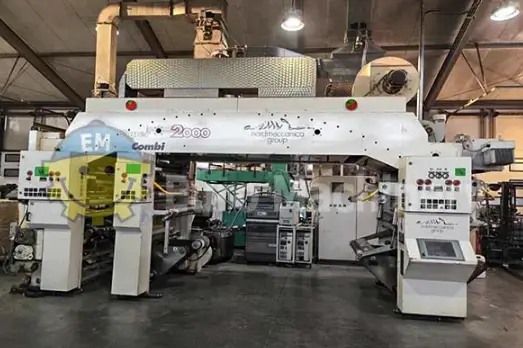
In today’s fast-evolving industrial world, packaging technology plays a crucial role in product protection, branding, and customer satisfaction. As industries demand more flexible, efficient, and high-performance machines, the combi laminator machine has emerged as a powerful solution.
This advanced machine integrates multiple lamination technologies into a single system, allowing manufacturers to handle different materials and production requirements without switching equipment. It is widely used in flexible packaging, food packaging, pharmaceutical packaging, and industrial printing sectors where speed, quality, and versatility are essential.
What is a Combi Laminator Machine?
A combi laminator machine is a hybrid industrial lamination system designed to perform different types of lamination processes within one integrated setup. It can combine solvent-based, solventless, and sometimes water-based lamination methods depending on production needs.
This flexibility allows manufacturers to work with a wide range of materials such as plastic films, aluminum foil, paper, and multilayer packaging substrates.
The main purpose of this machine is to improve production efficiency while reducing the need for multiple separate lamination systems.
Importance of Combi Laminator Machine in Modern Industry
Modern packaging industries require machines that are adaptable, efficient, and cost-effective. The combi laminator machine fulfills all these requirements by offering multiple functionalities in a single system.
Key importance factors include:
- Ability to handle multiple lamination technologies
- Increased production flexibility
- Reduced equipment investment costs
- High-speed industrial output
- Improved product consistency
- Suitable for complex packaging structures
These benefits make it a valuable asset for advanced manufacturing units.
Working Process of Combi Laminator Machine
The operation of a combi laminator machine is based on advanced automation and precise control systems.
Material Feeding
Different types of substrates are loaded into the machine through a controlled feeding system.
Process Selection
Operators select the required lamination mode using a digital control panel depending on material and production requirements.
Adhesive Application
The selected adhesive system (solvent-based or solventless) is applied evenly onto the material.
See also: Why Asset Management Legal Services Are Essential for Modern Investment Protection
Lamination Stage
Multiple layers are combined using high-pressure rollers that ensure strong bonding.
Drying or Curing
If required, the material passes through a drying or curing section to stabilize adhesion.
Final Winding
The finished laminated material is collected in roll form for storage or further processing.
This integrated workflow ensures efficiency and consistency.
Types of Combi Laminator Machines
Different models of combi laminator machines are available to meet various industrial needs.
Solvent and Solventless Combi Laminators
These machines support both adhesive systems for maximum flexibility.
Multi-Layer Combi Laminators
Designed for complex packaging structures requiring multiple layers.
High-Speed Industrial Combi Machines
Used for large-scale continuous production environments.
Automatic Combi Laminators
Fully automated systems with minimal human intervention.
Custom Hybrid Laminators
Designed according to specific customer and industry requirements.
Each type serves different production demands.
Key Features of Combi Laminator Machine
Modern combi laminator machines are equipped with advanced features that improve performance and productivity.
Multi-Process Capability
Supports different lamination methods in a single machine.
High-Speed Operation
Ensures fast and continuous production cycles.
Digital Control System
Allows precise adjustment of temperature, pressure, and speed.
Servo Motor Technology
Provides stable and accurate machine operation.
Smart Monitoring System
Enables real-time production tracking and quality control.
Energy Efficient Design
Reduces power consumption while maintaining high output.
Applications of Combi Laminator Machine
The combi laminator machine is widely used in multiple industries due to its versatility.
Food Packaging Industry
Used for snack packaging, frozen food packs, and beverage packaging.
Pharmaceutical Industry
Ensures safe and hygienic packaging for medicines and medical products.
Flexible Packaging Industry
Used for pouches, sachets, and multilayer films.
Cosmetic Industry
Used for creams, lotions, and personal care product packaging.
Industrial Packaging
Used for chemicals, fertilizers, and heavy-duty packaging materials.
Its wide application range makes it highly valuable in modern manufacturing.
Advantages of Combi Laminator Machine
Businesses benefit significantly from using combi laminator machines.
High Flexibility
Allows multiple lamination processes in one machine.
Cost Efficiency
Reduces the need for multiple separate machines.
Improved Productivity
Increases production speed and efficiency.
Consistent Quality
Ensures uniform lamination across all materials.
Space Saving Design
Combines multiple systems into one compact unit.
Reduced Operational Cost
Lowers labor and maintenance expenses.
Technological Innovations in Combi Laminator Machine
Modern machines include advanced technologies for better performance and control.
Key innovations include:
- PLC-based automation systems
- Touchscreen control interfaces
- IoT-enabled monitoring systems
- Smart adhesive control technology
- Automatic tension adjustment systems
- Real-time quality inspection tools
These features improve accuracy and production reliability.
Role in Modern Packaging Industry
The combi laminator machine plays a key role in modern packaging production by offering flexibility and efficiency. As packaging requirements become more complex, manufacturers need machines that can handle multiple processes without delays.
It helps industries achieve:
- Faster production cycles
- Higher packaging quality
- Better operational efficiency
- Improved product consistency
This makes it an essential part of modern industrial systems.
Environmental Considerations
Modern combi laminator machines are designed with eco-friendly features.
Environmental benefits include:
- Reduced material waste
- Energy-efficient operation
- Support for eco-friendly adhesives
- Lower emissions
- Sustainable production processes
These features help industries meet environmental standards.
Challenges of Combi Laminator Machine
Despite its advantages, there are some challenges:
- High initial investment cost
- Complex operation and setup
- Need for skilled technicians
- Regular maintenance requirements
However, long-term benefits outweigh these limitations.
Future of Combi Laminator Machine
The future of combi laminator machines is focused on automation, intelligence, and sustainability.
Future developments may include:
- AI-based production optimization
- Fully automated hybrid systems
- Smart factory integration
- Real-time cloud monitoring
- Advanced eco-friendly adhesive technologies
These innovations will further enhance industrial performance.
Conclusion
The combi laminator machine is a modern and highly versatile solution for the packaging and printing industry. It combines multiple lamination technologies into a single system, allowing manufacturers to achieve high efficiency, flexibility, and cost savings.
With continuous technological advancements and increasing demand for advanced packaging solutions, combi laminator machines will continue to play an important role in global industrial production.