
Safety Features of the Y Injection Port of IV Tubing
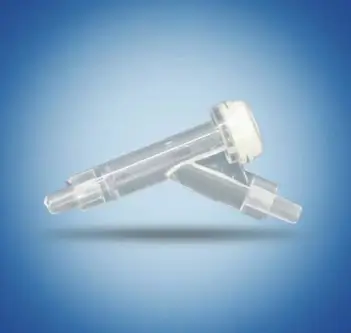
Given the clinical importance of preventing contamination, medication errors, and needlestick injuries, understanding the safety features engineered into the y injection port of iv tubing helps clarify how modern design addresses these important patient and staff safety considerations. This overview covers the key safety-focused design elements found in current products.
Needle-Free Access as a Core Safety Feature
Modern injection ports increasingly incorporate needle-free access designs, allowing connection through specially engineered connectors rather than requiring a needle, substantially reducing the risk of accidental needlestick injury for clinical staff during medication administration.
Self-Sealing Design Preventing Contamination
The self-sealing membrane or valve mechanism used in modern injection ports helps maintain a sterile barrier when the port isn’t actively being accessed, reducing the risk of contamination entering the fluid pathway between uses.
Anti-Reflux Protection for Medication Safety
As covered in related discussions of Y port mechanism design, anti-reflux features found in many modern injection ports help prevent unintended backflow of medication, supporting more predictable, safer combination medication administration.
Clear Visual Identification for Correct Use
Many modern injection port designs incorporate clear visual markers or distinct physical characteristics that help clinical staff quickly and correctly identify the appropriate access point, reducing the risk of confusion during busy clinical workflows.
Compatibility Verification Features
Certain advanced injection port designs incorporate connector compatibility features specifically intended to prevent misconnection with incompatible tubing systems, addressing broader patient safety initiatives focused on preventing tubing misconnection errors across different medical device categories.
Disinfection Compatibility for Infection Control
Modern injection port materials are generally designed to withstand appropriate disinfection procedures, such as alcohol-based scrubbing before access, without degrading, supporting infection control protocols that call for port disinfection prior to each use.
Learning More About These Safety Features
For a more detailed exploration of the specific safety features incorporated into modern injection port design, reviewing information on the y injection port of iv tubing helps clarify how these features collectively support safer clinical practice.
Frequently Asked Questions
How does needle-free access improve safety for clinical staff? Needle-free designs substantially reduce the risk of accidental needlestick injury for clinical staff during medication administration, compared to older needle-based access approaches.
See also: Pilates Instructor: Transform Your Health and Fitness
Why is disinfection compatibility important for injection port materials? Materials need to withstand appropriate disinfection procedures, such as alcohol-based scrubbing before access, without degrading, supporting infection control protocols that require port disinfection prior to each use.
What is the purpose of connector compatibility features in advanced injection port designs? These features are specifically intended to prevent misconnection with incompatible tubing systems, addressing broader patient safety initiatives focused on preventing tubing misconnection errors.
Final Thoughts
Understanding the safety features engineered into modern Y injection port design, from needle-free access to anti-reflux protection and disinfection compatibility, helps clarify how these components support both patient and staff safety in everyday clinical practice. This safety-focused design knowledge remains relevant for both clinical training and product evaluation purposes.